Her nails were always polished.
Polished (adj.): made smooth and glossy; free from imperfections; characterized by elegance and refinement

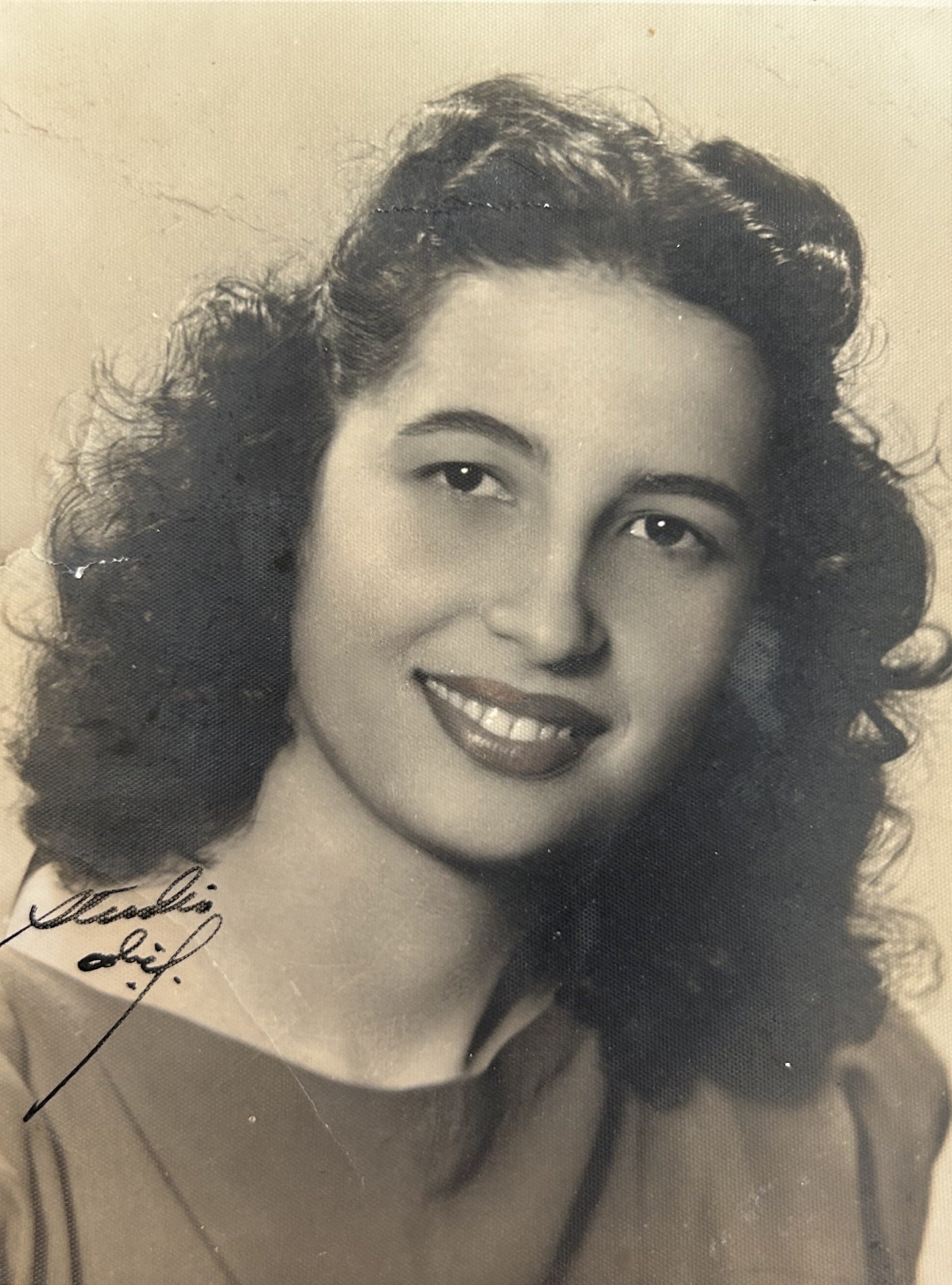
In the old family photos, my abuela is light and free. She appears perfectly put together, unafraid, and ready to take on the world. She is gorgeous. Her name was Juana Onelia. I knew her as Nana.
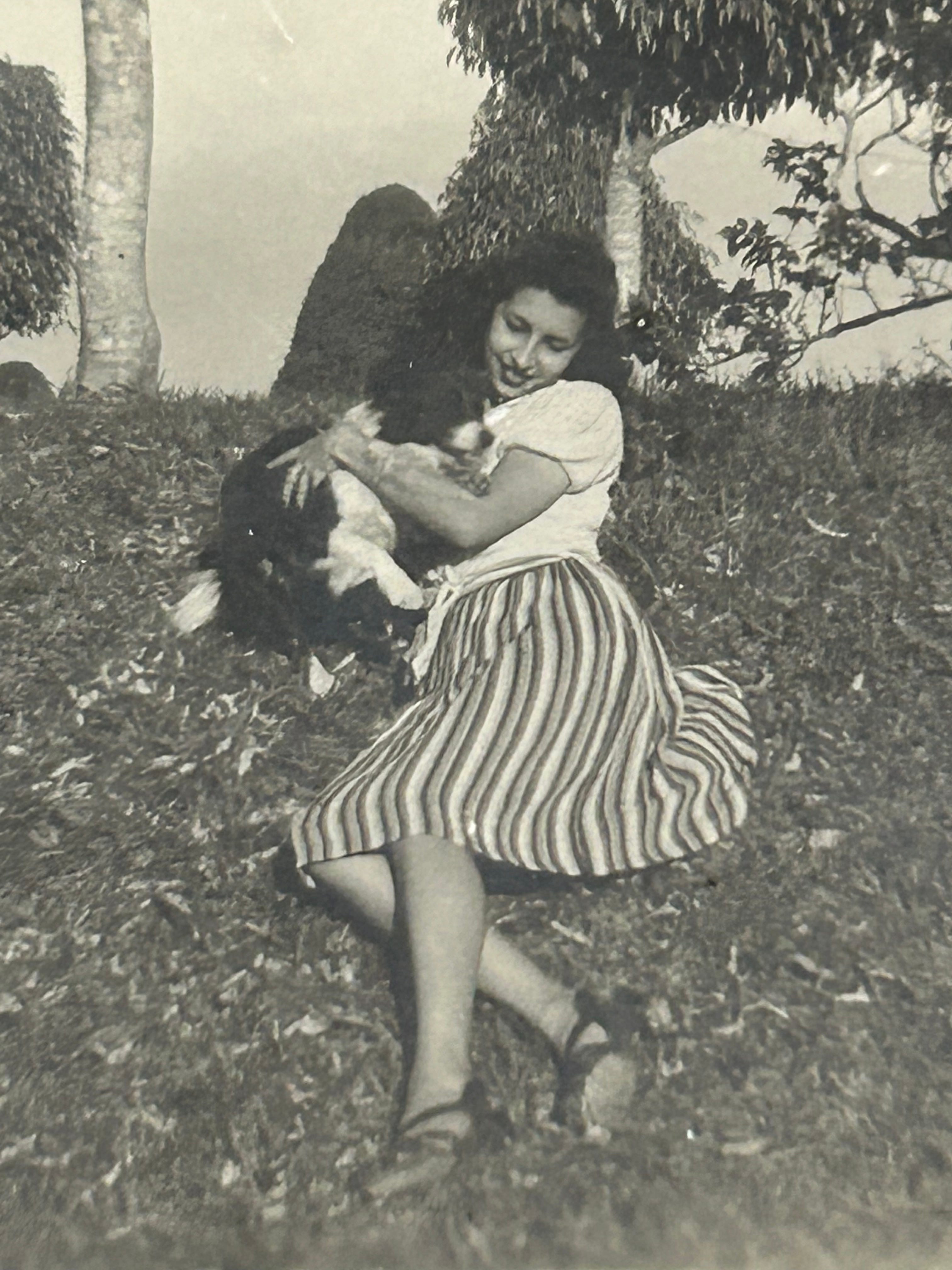
I keep reading about the challenges of honoring our loved ones while writing honestly. I had considered keeping today’s article easy. I wanted to talk about fashion and style and my abuela’s incredible cooking. But that isn’t the whole story and it wouldn’t do her justice. My abuela was a complicated person. We’re all a bit complicated, verdad?
From what I can gather, Nana grew up in an affluent household. Her family owned land. She had pretty clothes. She went to art school. She was given the opportunity to study English but turned it down, thinking she’d never need it. The cook made her favorite treats. She was pampered. As an immigrant, she gave up these luxuries, but she held onto her polish.
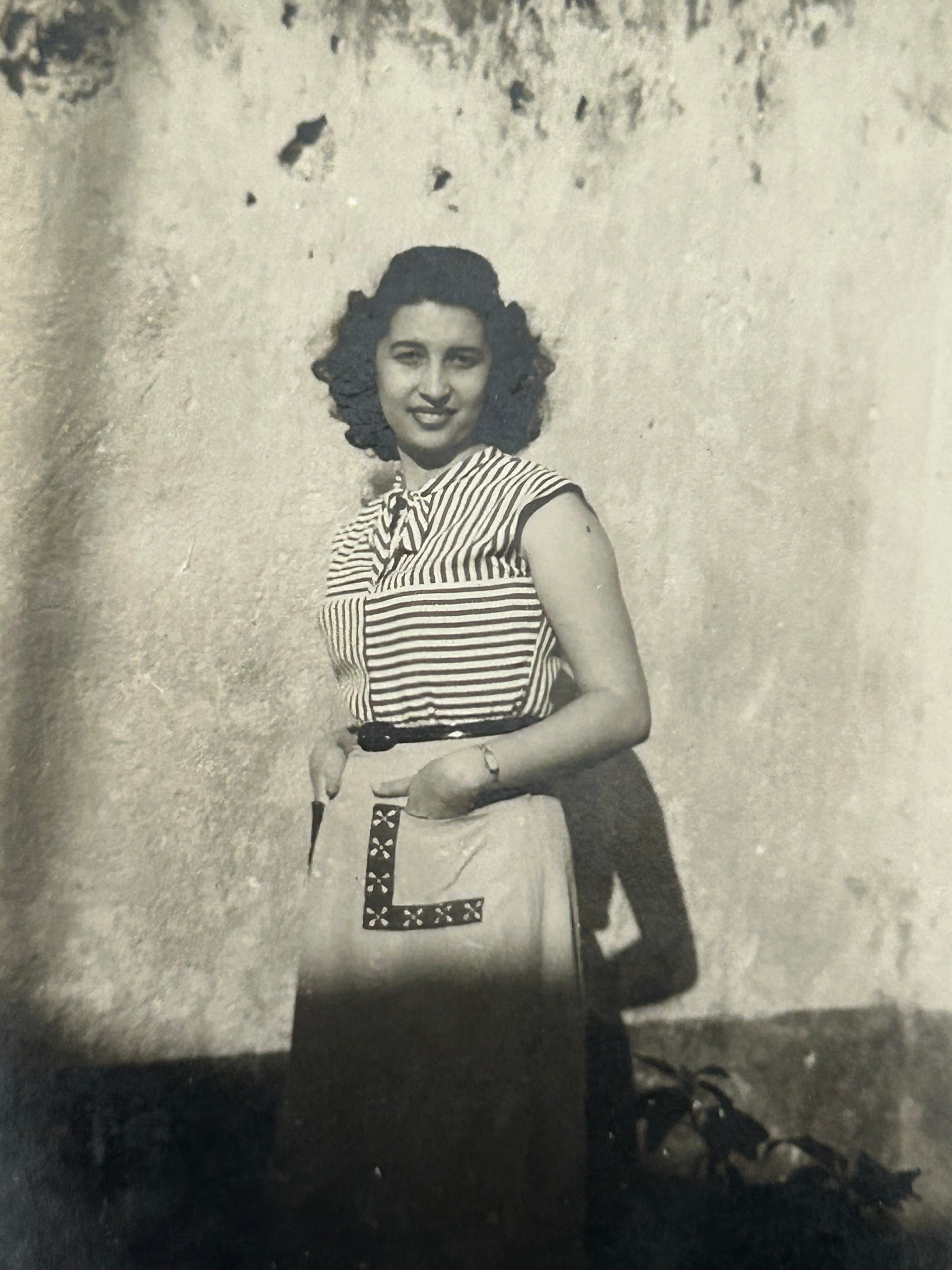
Nana suffered from debilitating anxiety. I suppose being uprooted from your country of origin and replanted in an unfamiliar environment will do that to you.
Nana and Abuelo took in their niece and nephew at a time when the Cuban government was allowing children to leave the country, but not their parents. My grandparents lived in a two-bedroom house and already had their own child. I can only imagine the stress and its long-term effects.
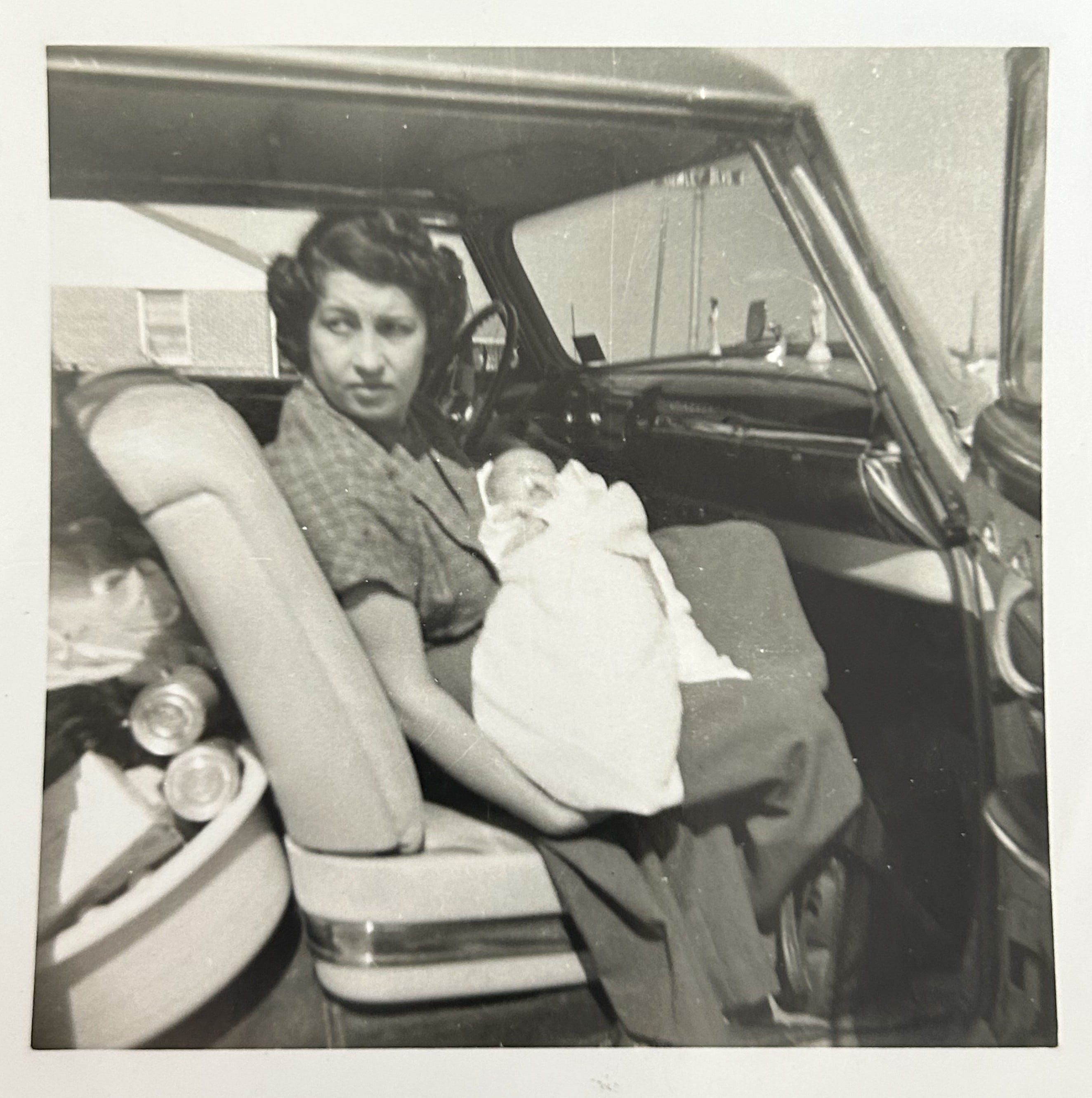
Growing up, I watched Nana perform small rituals. Some were common, some were just Nana being Nana. I can still see her whispering nightly prayers, rocking on the edge of her bed, counting rosary beads. She scrubbed the house daily from top to bottom. You could probably have eaten off her bathroom floors. She kept plastic covers over the good furniture. If you walked through la sala she scolded you for disturbing the pattern she had made with the vacuum cleaner. She snorted seawater up her nose and insisted it was good for the sinuses. She suffered from countless self-diagnosed ailments. She checked locks and lights and stove burners. Checked and rechecked and checked again.
Nana never learned to drive. She never learned to speak English. She told me it was too hard. I think she was afraid of sounding uneducated. She was afraid to say the word “fork” because her accent would mangle it into…you can imagine which four-letter word she wanted to avoid.
Sometimes, Nana was mean. You were either too fat or too thin, and she’d tell you so. She didn’t like your outfit? She’d tell you. Bad hair day? Yup, she’d tell you. To your face, behind your back, it didn’t matter.
Nana’s anxiety often made things difficult for others. My dad still tells the story of the only road trip they ever took. He was a little boy. Abuelo drove them out west to see the red rock formations and beautiful, strange landscapes. Nana brought the Virgin Mary statue from the garden. She held it between her legs in the front seat the entire time. Apparently she thought the rocks would tumble down the cliffs and crush the car if she didn’t bring La Virgen along. After that, no more road trips. It’s funny and sad enough to write a poem about.
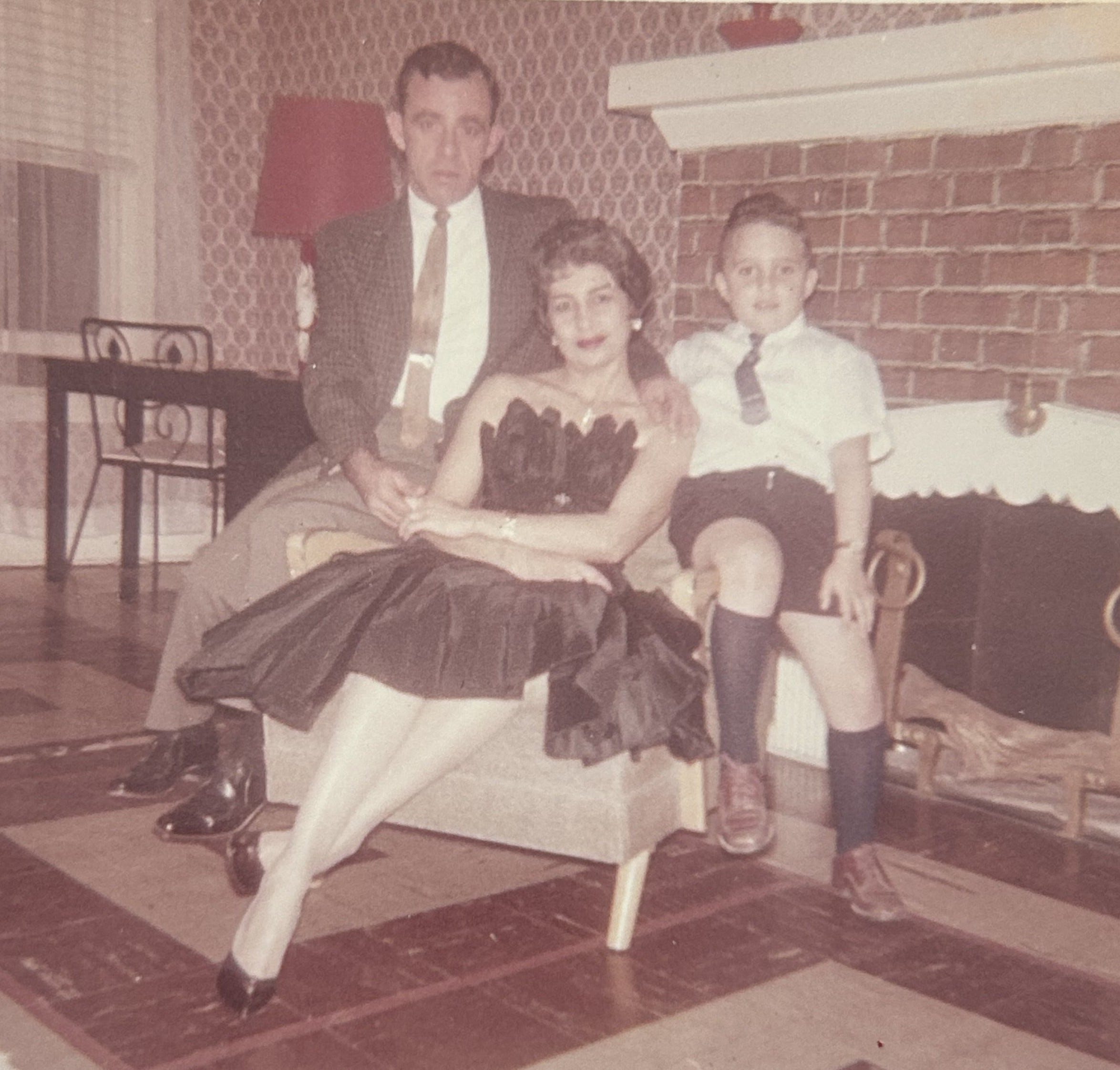
In spite of these challenges, Nana cared for her family. She was a fiercely loyal sister. She doted on her son, her husband, her grandchildren. Her cooking was magic. When I was a little girl, she fed me baby-bird style. She’d gather the food into a pile with her fingers and drop it into my mouth. I loved it. Sometimes, her beautiful long nails scratched when she bathed or dressed me. I watched out for them. Nana always had a bottle of polish around in case of chips in the veneer. She filed and painted my nails, too. She shaped them round. When you’re older, you can make them pointy like mine, she’d say. Sharp nails were for grown women.
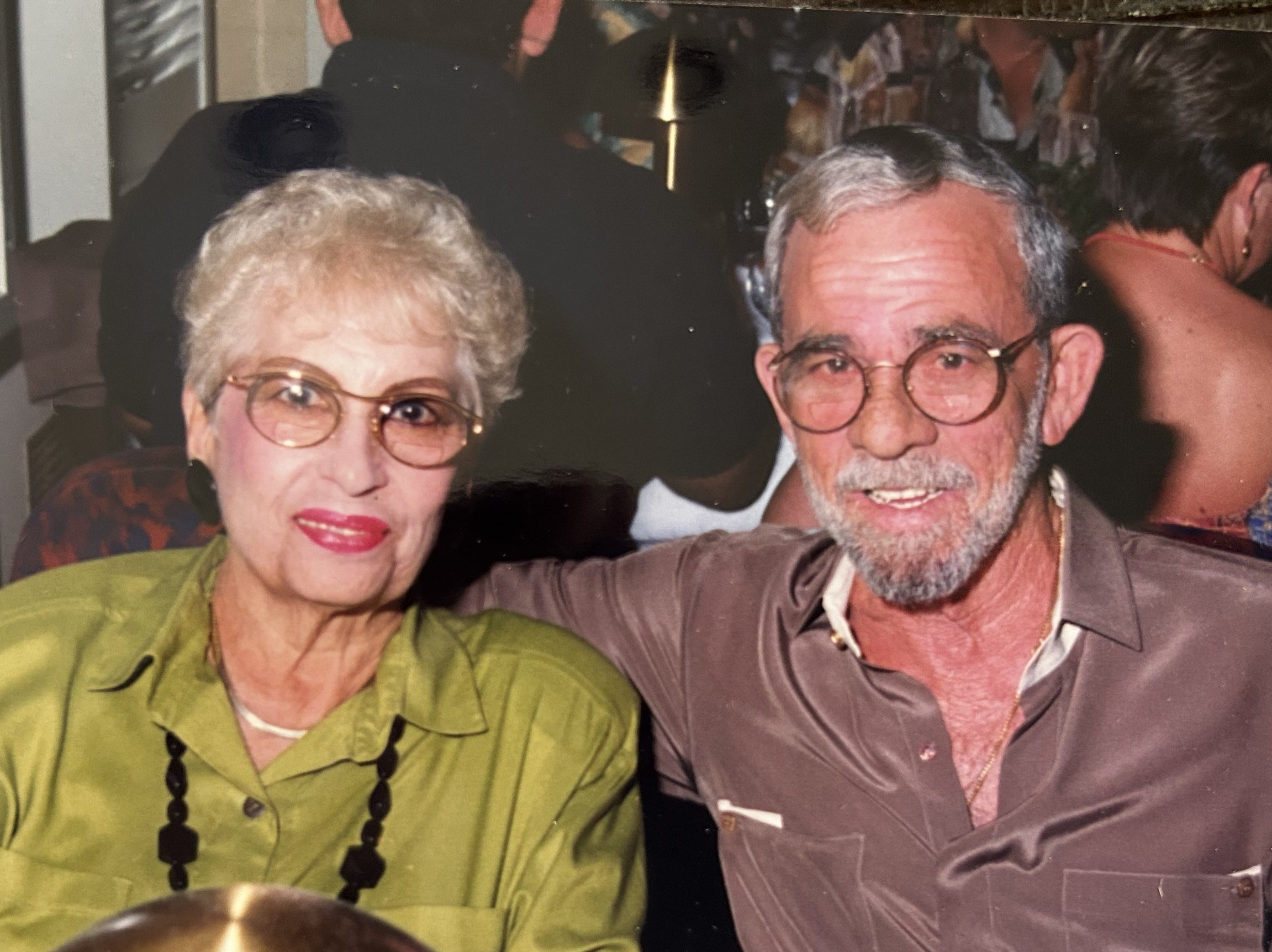
Into her 80s, Nana was still sharp and elegant and hyper-aware. Her 90s saw a drastic decline. She succumbed to dementia. When I visited, I fed her baby-bird style. I was not surprised when my dad called and said I should get to the nursing home, quick. I tried not to drive too fast. I sat by Nana’s bedside. I remember the gurgle in her breath. (They say that’s called a death rattle.) She was there, but not lucid. The nurse held some pills up to Nana’s mouth. She clenched her jaw shut. Sealed her lips. Nana didn’t like the nurse. I spoke to her in my atrocious Spanish. Nana, soy yo. Estoy aqui. Abre la boquita. Tienes que tomar tu medicina. She opened her mouth but not her eyes. I stayed for awhile. By the time I got home, she had passed.
Nana’s story is part of mine. The other day, my dad asked me “With each generation, we’re doing better, aren’t we?” I replied, “We’re learning.”
“I hold her hand touch her face
straighten the blanket over her body.
I squeeze her fingers once, let go.
Her fingernails are blunt, unpolished.”
(from “Fingernails”, part of What Color is the Soil in Cuba?)
What a beautiful spirit and soul - you have an incredible family story 🌹❤️